
Top 5 Myths About Lightweight Web Design Debunked


Understanding Lightweight Web Design
In today's fast-paced digital world, lightweight web design has become a popular choice for many businesses. However, misconceptions abound. Let's debunk some prevalent myths and highlight the truth behind this approach.

Myth 1: Lightweight Design Means Minimal Content
One of the biggest myths about lightweight web design is that it equates to minimal content. In reality, lightweight design focuses on optimizing and streamlining content for faster loading times and better user experience. It doesn't mean sacrificing valuable information; instead, it's about presenting content effectively without unnecessary clutter.
Myth 2: It's Only for Small Websites
Another common misconception is that lightweight design is only suitable for small-scale websites. In fact, large websites can greatly benefit from a lightweight approach. By reducing load times and improving usability, even complex sites can enhance their performance and user engagement through efficient design techniques.
Myth 3: Compromises on Aesthetics
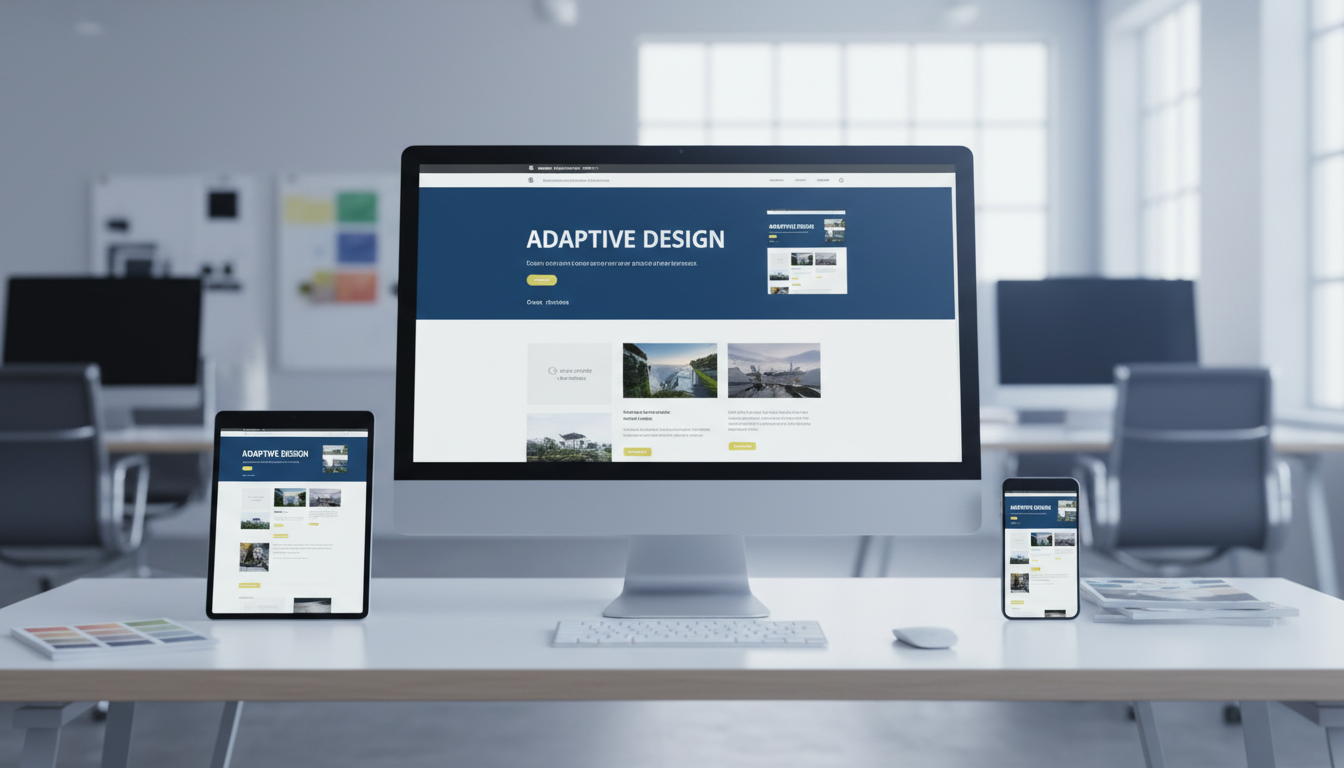
Many believe that lightweight web design results in bland or unattractive websites. This couldn't be further from the truth. Designers can create visually stunning sites by focusing on clean, efficient code and strategic use of graphics. The key is to balance aesthetics with functionality, ensuring a seamless and appealing user experience.
Myth 4: Difficult to Implement
Some might think that implementing a lightweight design is a complex, arduous process. However, with the right tools and strategies, it can be straightforward. Utilizing modern frameworks and coding practices can streamline the design process, making it accessible even for those with limited technical expertise.

Myth 5: It Negatively Affects SEO
There is a belief that lightweight design might harm search engine optimization (SEO). On the contrary, search engines favor fast-loading, well-structured sites. By improving site speed and user experience, lightweight design can significantly enhance SEO, leading to better search rankings and increased visibility.
In conclusion, lightweight web design offers numerous benefits without the drawbacks often associated with it. By understanding and debunking these myths, businesses can make informed decisions that enhance their online presence and user satisfaction.