
The Ultimate Guide to Lightweight Web Design for Modern Businesses


Understanding Lightweight Web Design
In today's fast-paced digital world, businesses are increasingly turning to lightweight web design as a strategy to enhance user experience and improve site performance. Lightweight web design focuses on creating websites that load quickly, function smoothly, and deliver content efficiently. This approach is crucial for modern businesses aiming to capture and retain the attention of their online audience.
At its core, lightweight web design emphasizes simplicity and efficiency. By minimizing unnecessary elements, such as excessive graphics or bulky code, websites can be made to load faster and perform better. This not only improves user satisfaction but also positively impacts search engine rankings.

Benefits of Lightweight Web Design
Implementing a lightweight design can offer numerous advantages. First and foremost, it enhances the user experience. Faster loading times mean users can access content quickly without waiting, reducing bounce rates and increasing engagement. Additionally, lightweight designs are more adaptable to different devices and screen sizes, ensuring a seamless experience across platforms.
Another significant benefit is improved SEO performance. Search engines like Google prioritize fast-loading sites, which can lead to better visibility and higher rankings. Moreover, lightweight designs often require less server bandwidth, leading to cost savings on hosting and data fees.
Key Principles of Lightweight Design
To create an effective lightweight web design, several key principles should be followed. Firstly, optimize images and media files. This can be achieved by compressing images and using appropriate formats to ensure they load quickly without sacrificing quality.

Secondly, streamline code by removing unnecessary scripts and using efficient coding practices. This involves minimizing CSS, JavaScript, and HTML to reduce the overall page load time. Additionally, leveraging browser caching can further enhance performance by storing website data locally on a user's device.
Tools and Techniques
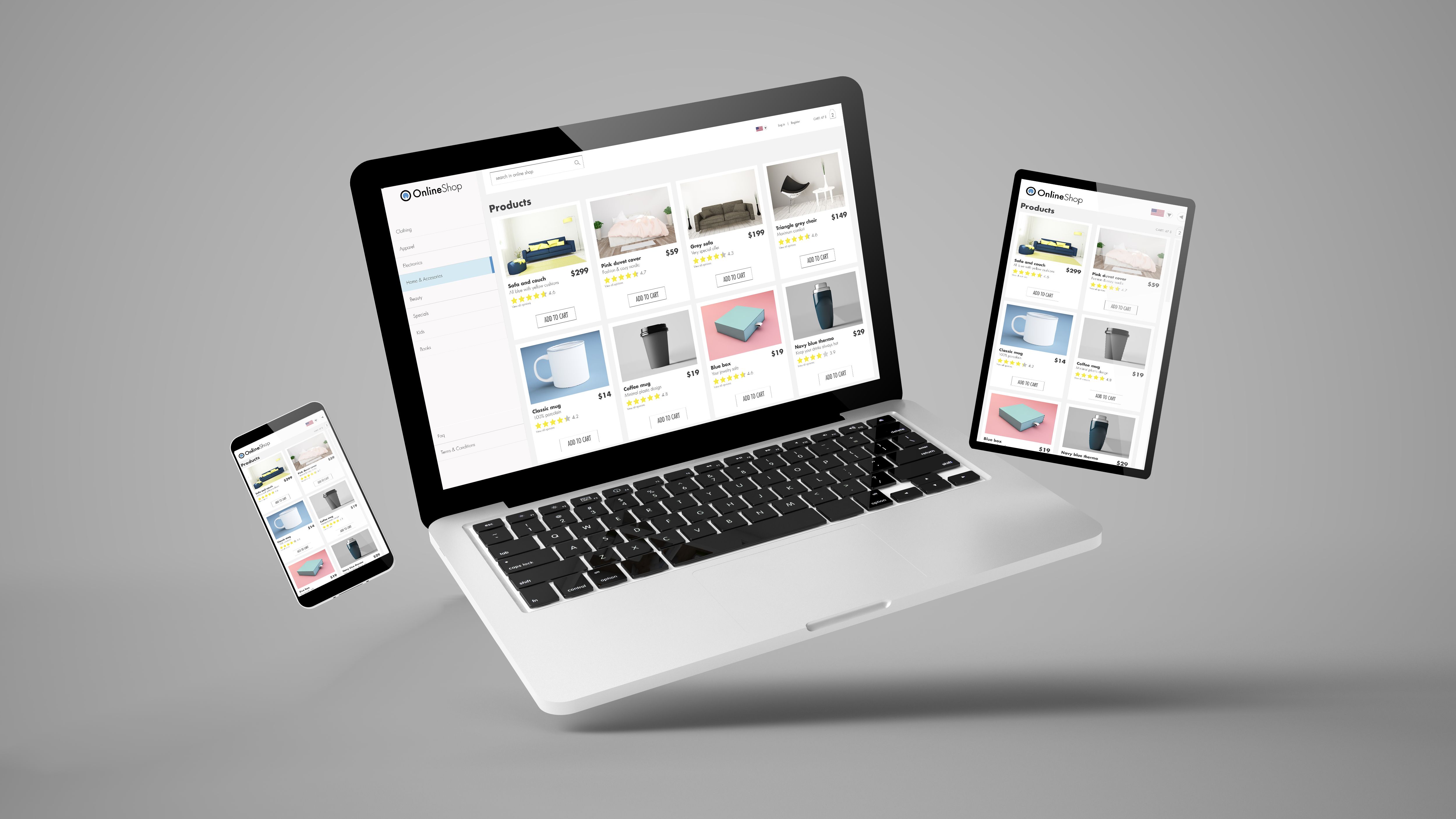
There are various tools and techniques available to help implement lightweight web design. Utilizing content delivery networks (CDNs) can distribute content more efficiently, reducing server load and speeding up access for users globally. Furthermore, employing responsive design ensures that websites adapt smoothly to different devices and screen sizes.
Another essential technique is lazy loading, which delays the loading of non-essential elements until they are needed. This approach can significantly improve initial load times and enhance the overall user experience.
Measuring Success
Once a lightweight design is implemented, it's crucial to measure its success. Tools like Google PageSpeed Insights and GTmetrix provide valuable insights into site performance, highlighting areas for improvement. Regularly monitoring these metrics ensures that the website continues to deliver optimal performance.
Collecting user feedback is also vital. Understanding how users interact with the site and gathering their opinions can provide valuable information for further optimization and enhancement.
Conclusion
Incorporating lightweight web design is a strategic move for modern businesses seeking to enhance their digital presence. By focusing on speed, efficiency, and user experience, companies can create websites that not only attract but also retain visitors. As technology continues to evolve, staying ahead with optimized, lightweight designs will be key to maintaining a competitive edge in the digital landscape.