
The Ultimate Guide to CRM Solutions and Integration for Modern Businesses


In today's fast-paced business landscape, Customer Relationship Management (CRM) solutions have become indispensable. These tools not only help businesses manage customer interactions but also streamline operations and improve profitability. This guide delves into the essentials of CRM solutions and their integration into modern business practices.
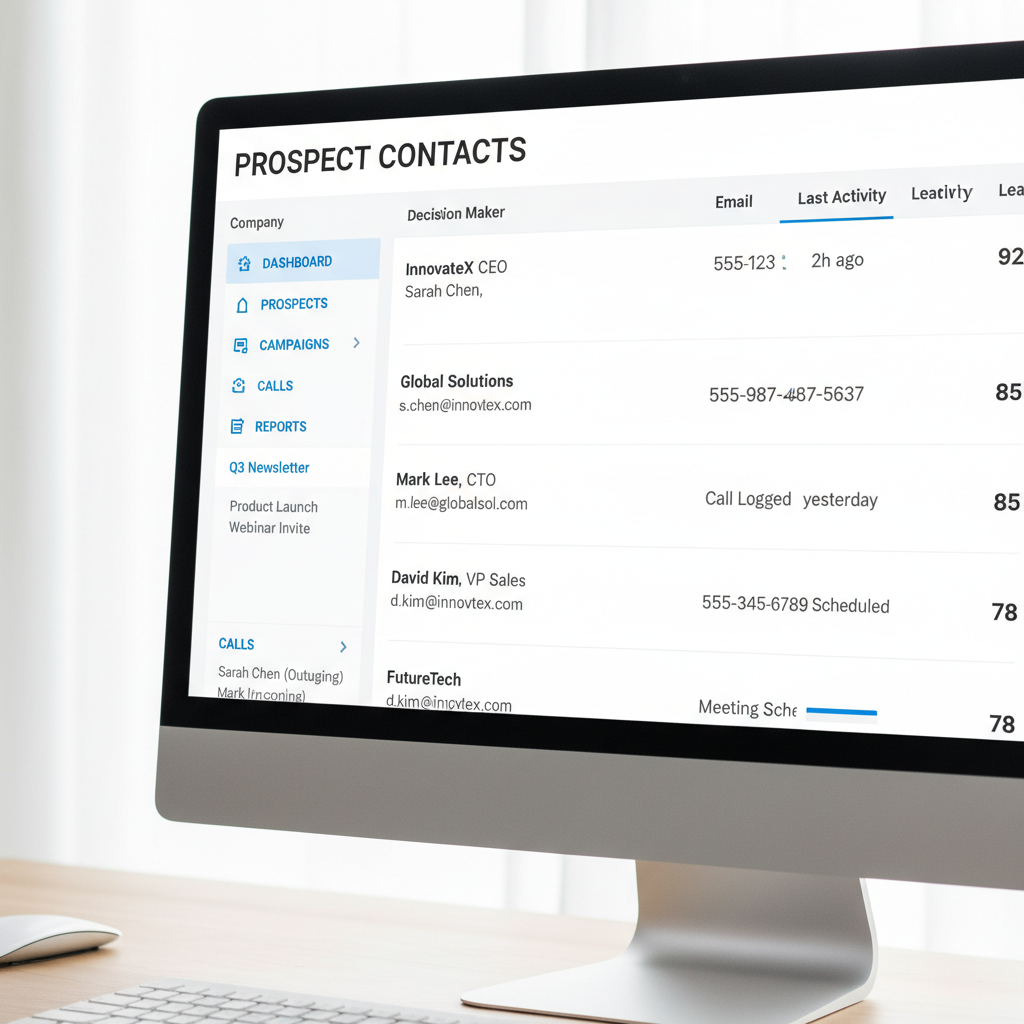
Understanding CRM Solutions
At its core, a CRM solution is designed to manage a company’s interactions with current and potential customers. By leveraging CRM systems, businesses can track customer behavior, manage sales pipelines, and deliver personalized experiences. These systems come with a variety of features, including contact management, sales automation, and reporting.
Businesses can choose from several types of CRM software, including operational, analytical, and collaborative CRMs. Each type serves a different purpose, from streamlining processes to analyzing data or enhancing team communication. Selecting the right CRM depends on a company’s specific needs and objectives.
Operational CRM
Operational CRMs focus on automating customer-facing processes. They are ideal for companies seeking to enhance service efficiency and streamline sales and marketing efforts. Key features often include lead management, contact management, and workflow automation.
The Importance of CRM Integration
Integration is crucial for maximizing the benefits of CRM systems. By integrating CRM with other business tools such as email marketing platforms, accounting software, and e-commerce solutions, companies can ensure seamless data flow and improve overall efficiency.
Effective CRM integration can lead to enhanced data accuracy, reduced manual entry, and improved collaboration across departments. This holistic approach helps businesses gain a comprehensive view of customer interactions, leading to more informed decision-making.
Steps for Successful CRM Integration
Integrating a CRM system requires careful planning and execution. Here are some steps to ensure a successful integration:
- Define Objectives: Clearly outline what you aim to achieve with CRM integration.
- Choose the Right Tools: Select CRM software and integration tools that align with your business goals.
- Data Mapping: Ensure data fields align across systems to facilitate seamless data transfer.
- Test and Optimize: Conduct thorough testing to identify issues and optimize performance.

Benefits of CRM Solutions for Modern Businesses
CRM solutions offer a myriad of benefits that can transform how businesses operate. By centralizing customer data, companies can improve customer service, enhance customer retention, and boost sales. Furthermore, CRM systems enable businesses to analyze customer interactions and identify trends, providing valuable insights into customer preferences and behaviors.
Additionally, CRM solutions promote collaboration by providing a unified platform for all customer-related information. This ensures that all team members have access to the same data, facilitating better communication and coordination.
Choosing the Right CRM for Your Business
Selecting the right CRM solution is crucial for any business. Consider factors such as ease of use, scalability, and cost when evaluating options. It's also important to assess the level of customer support provided by the CRM vendor. By choosing a solution that fits your business needs, you can drive growth and achieve long-term success.