
The Ultimate Guide to CRM Solutions and Integration for Businesses

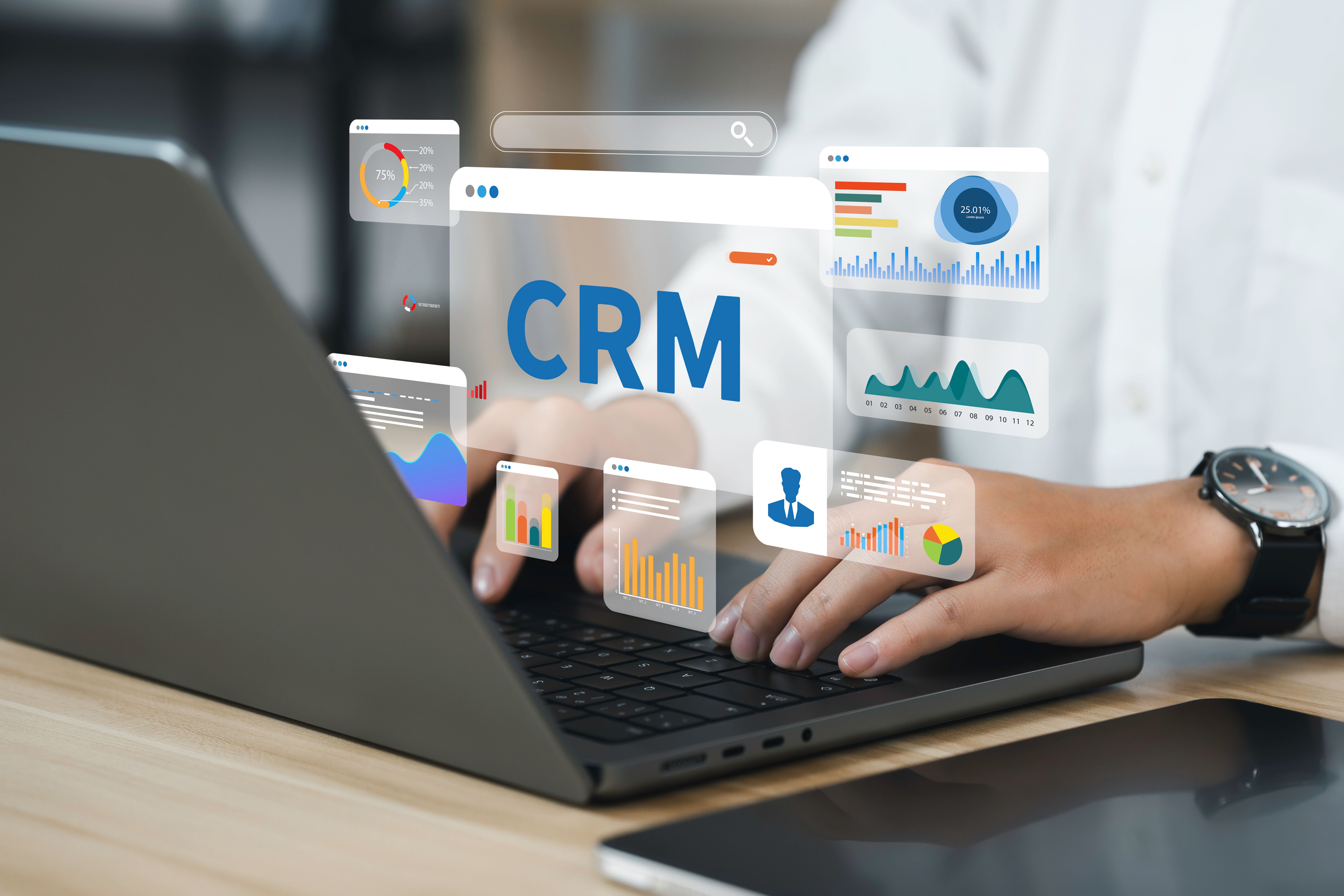
Customer Relationship Management (CRM) systems have become indispensable tools for businesses aiming to streamline operations and enhance customer interactions. These solutions not only help manage customer data but also integrate seamlessly with other business processes. This guide explores the essentials of CRM solutions and integration for businesses.
Understanding CRM Solutions
CRM solutions are software platforms designed to manage a company’s relationships and interactions with potential and existing customers. The primary goal is to improve business relationships to grow the business. A CRM system helps companies stay connected to customers, streamline processes, and improve profitability.
Modern CRM solutions offer more than just customer management. They provide insights into customer behavior, help automate tasks, and enable a personalized approach to customer interaction. By leveraging these capabilities, businesses can enhance their customer service and marketing efforts.
Key Features of CRM Systems
When selecting a CRM solution, businesses should consider key features that align with their needs. Some critical features include:
- Contact Management: Centralizes customer information.
- Sales Management: Tracks sales leads and opportunities.
- Marketing Automation: Automates marketing tasks and campaigns.
- Customer Support: Manages customer inquiries and issues.

Integrating CRM with Other Business Systems
Integration is vital for maximizing the benefits of a CRM system. By connecting your CRM with other business tools, you can ensure a seamless flow of information across the organization. This integration enhances efficiency and provides a unified view of customer data.
Common integrations include:
- Email Platforms: Sync emails and communication history.
- Accounting Software: Align financial data with customer records.
- E-commerce Systems: Connect sales data with customer interactions.
Benefits of CRM Integration
Integrating CRM solutions with other business systems offers numerous advantages. It reduces data silos, improves data accuracy, and fosters collaboration across departments. This integration enables teams to make informed decisions based on comprehensive customer insights.

Moreover, CRM integration supports personalized customer experiences by providing teams with the necessary tools to interact effectively with customers. It enhances customer satisfaction and loyalty by ensuring that every department has access to the same updated information.
Selecting the Right CRM Solution
Choosing the right CRM solution requires careful consideration of your business needs and goals. Factors to consider include scalability, ease of use, customization options, and customer support. Additionally, businesses should evaluate the cost and return on investment to ensure that the CRM system aligns with their budget.
Ultimately, the right CRM solution can transform your business operations, fostering stronger customer relationships and driving growth. By integrating it with your existing systems, you can create a cohesive and efficient business environment.