
Expert Advice on Implementing CRM Systems for Small Businesses


Understanding the Importance of CRM for Small Businesses
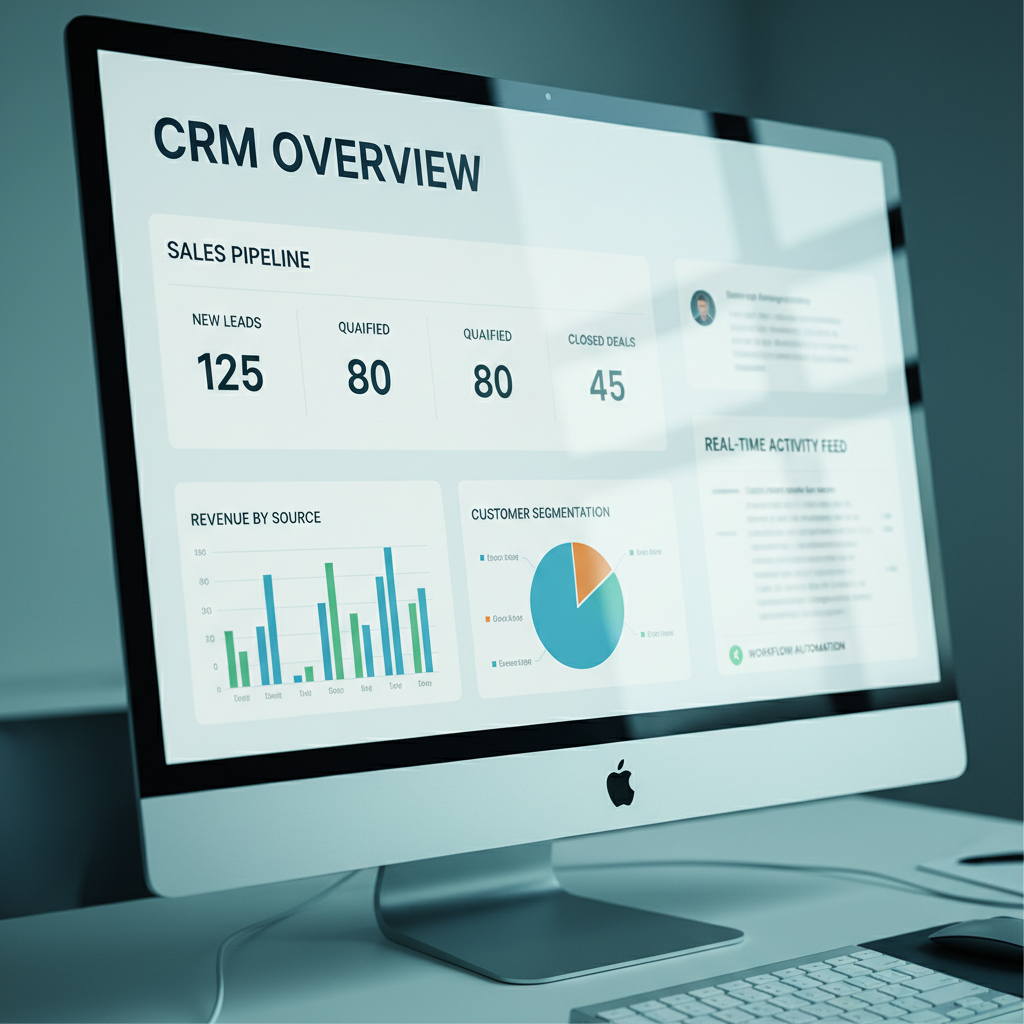
Customer Relationship Management (CRM) systems are invaluable tools for small businesses looking to enhance customer interactions, streamline processes, and improve profitability. Implementing a CRM system can help small businesses manage customer data efficiently, track sales, and improve communication across teams. With the right CRM in place, companies can foster stronger customer relationships and drive growth.
Choosing the Right CRM System
Selecting the right CRM system is crucial for the success of your business. Consider factors such as ease of use, scalability, and integration capabilities with existing tools. Small businesses should look for CRM solutions that offer flexible pricing models, allowing them to scale as they grow. It’s also important to ensure that the system can integrate with other software, such as email marketing tools and accounting software, to create a seamless workflow.
Customizing Your CRM for Maximum Efficiency
Once you’ve chosen a CRM system, customization is key to maximizing its potential. Tailor the CRM to meet your specific business needs by setting up custom fields, workflows, and reports. This personalization allows you to track the metrics that matter most to your business, ensuring that you’re making informed decisions based on accurate data. Additionally, train your team to use the CRM effectively so they can leverage its full capabilities.

Data Migration and Integration
Migrating data to a new CRM system can be a daunting task, but it’s essential for maintaining continuity and accuracy. Begin by cleaning your existing data to ensure that only relevant and up-to-date information is transferred. Work closely with your CRM provider or an IT professional to ensure that the data migration process is smooth and error-free. Once the data is in place, prioritize integrating the CRM with other business systems to maintain a cohesive operational infrastructure.
Training and Support
Proper training is vital for ensuring that your team can use the CRM effectively. Many CRM providers offer training sessions, tutorials, and customer support to help users become proficient with the system. Encourage your employees to take advantage of these resources and provide ongoing training opportunities as new features and updates are released. Regular training sessions can help your team stay updated and continuously improve their CRM skills.

Measuring Success and ROI
Implementing a CRM system is an investment, and it’s important to measure its success. Track key performance indicators (KPIs) such as customer retention rates, sales growth, and customer satisfaction to evaluate the CRM’s impact on your business. By analyzing these metrics, you can determine the return on investment (ROI) and make informed decisions about future CRM strategies. Regularly reviewing these outcomes ensures that the CRM continues to meet your business objectives.
Continuous Improvement and Adaptation
As your business evolves, so should your CRM system. Regularly review and update the CRM to ensure it aligns with your changing business needs. This might include adding new features, modifying existing workflows, or integrating with new tools. By continuously improving and adapting your CRM, you ensure that it remains a valuable asset that supports your business growth and enhances customer satisfaction.
Implementing a CRM system requires careful planning and execution, but the benefits to your small business can be substantial. By following these expert tips, you can successfully integrate a CRM system that supports your business goals and fosters long-term success.